Overview
Tarangire National Park - Tanzania’s Elephant Paradise
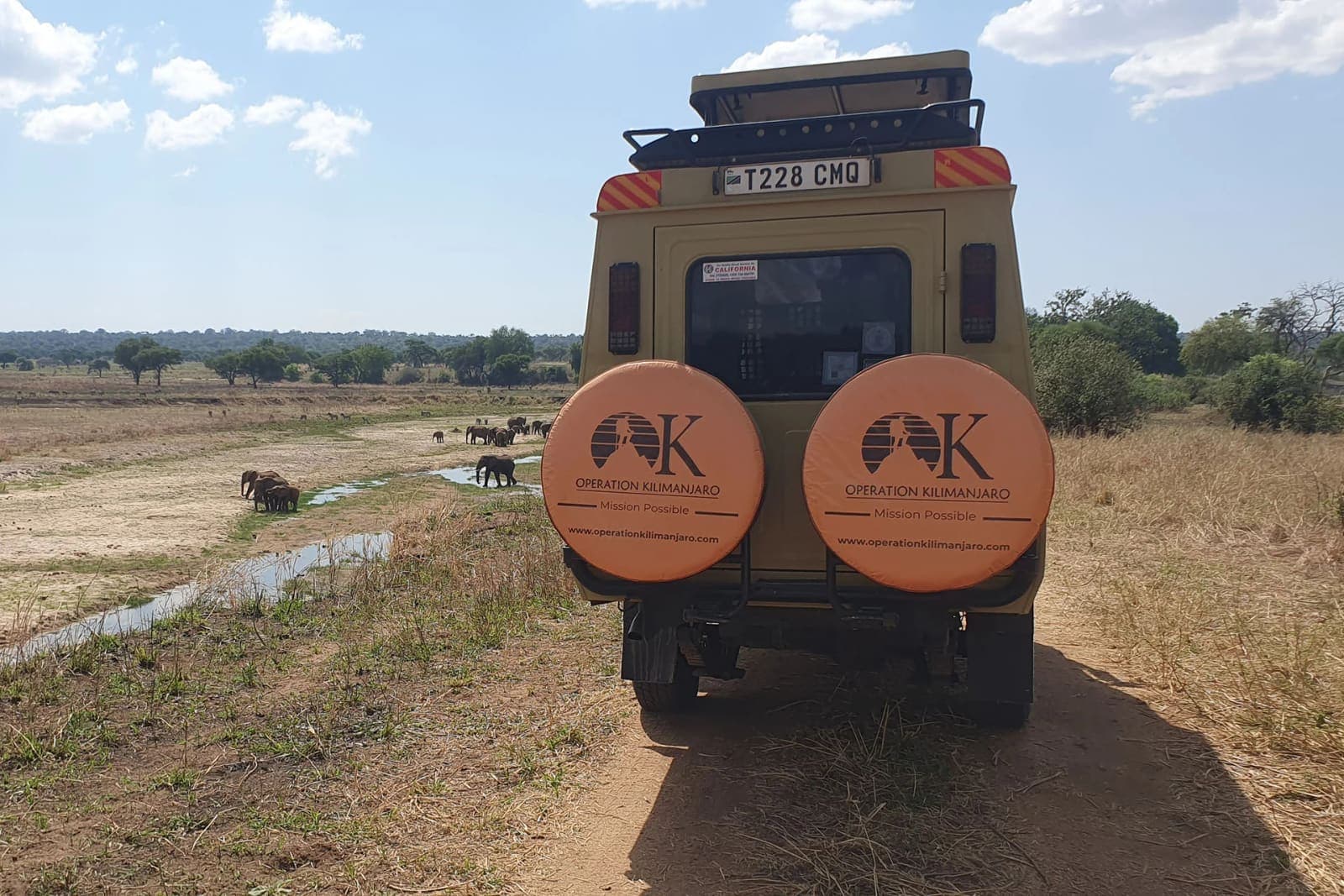
Tarangire is located in Manyara Region lying about 120Km southwest of Arusha City. The park picked its fame to have kept a record for occurrence of many African Elephants per square kilometre than any other national park in Tanzania.
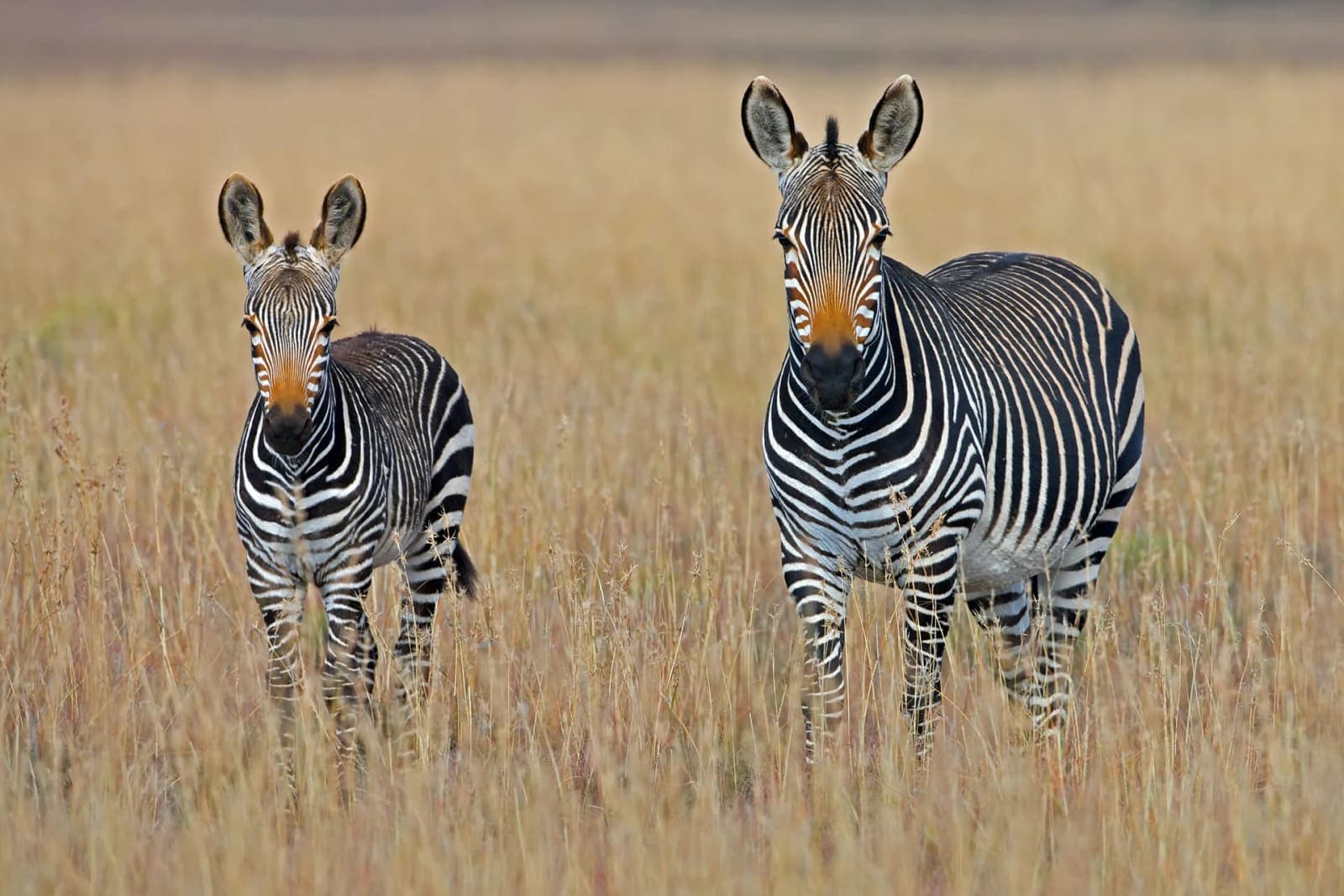
The Park got its name from Tarangire River that flows down through the centre of the Park and form the dry season refuge for wildlife especially elephants. The Tarangire River is the primary source of fresh water for wild animals in the Tarangire Ecosystem during the annual dry season. The Tarangire Ecosystem is defined by the long-distance migration of wildebeest and zebras. During the dry season thousands of animals concentrate in Tarangire National Park from the surrounding wet season dispersal and calving areas.
It is in this Park that visitors will be able to see threatened as well as endangered species such as ebony trees, Python, cheetah, elephants, African wild dogs, lesser and greater Kudu, Beisa Oryx, Gerenuk and others
Birdlife in Tarangire is just Amazing! It is a haven for bird enthusiasts catering for more than 550 species of birds that have been recorded, which is largest number of bird species compared to the famous Serengeti . The park is also famous for the Termite Mound that dot the wilderness’ landscape. Those that have been abandoned are often home to the dwarf mongoose. It is in this park that white giraffe was spotted in 2015. Published records say, it was due to Leucism (partial loss of pigmentation/ colour in animals).
For those seeking a unique and immersive wildlife experience, Tarangire provides a remarkable blend of scenic beauty, rich biodiversity, and adventurous activities that make it a must-visit destination on any Tanzanian safari itinerary.
Why Visit Tarangire National Park?
One of the main reasons travelers visit Tarangire is its extraordinary elephant population . The park boasts one of the largest elephant concentrations in Africa , with herds that can sometimes number over 300 individuals . Observing these gentle giants roaming freely, bathing in riverbanks, or socializing under towering baobab trees is an unforgettable sight.
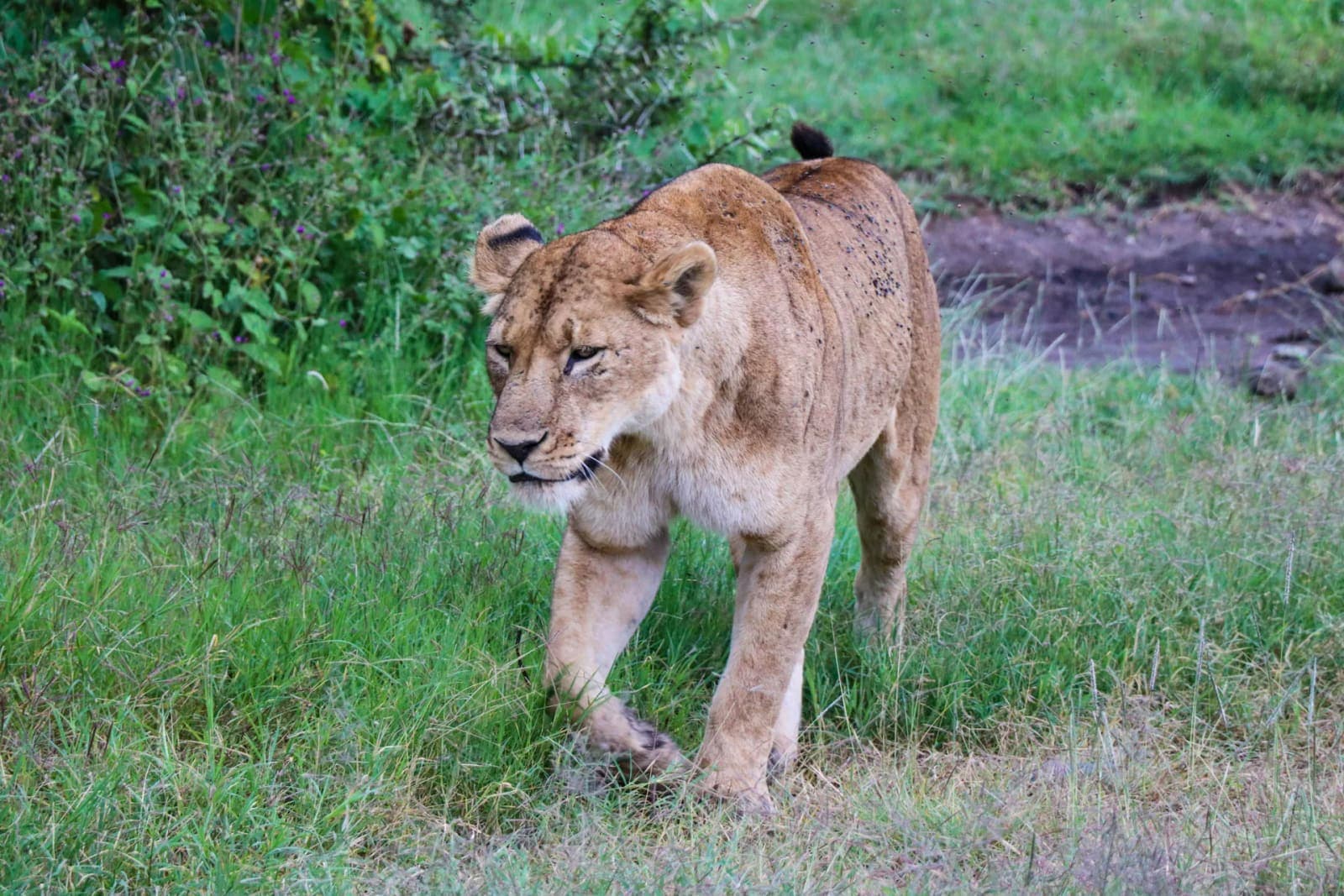
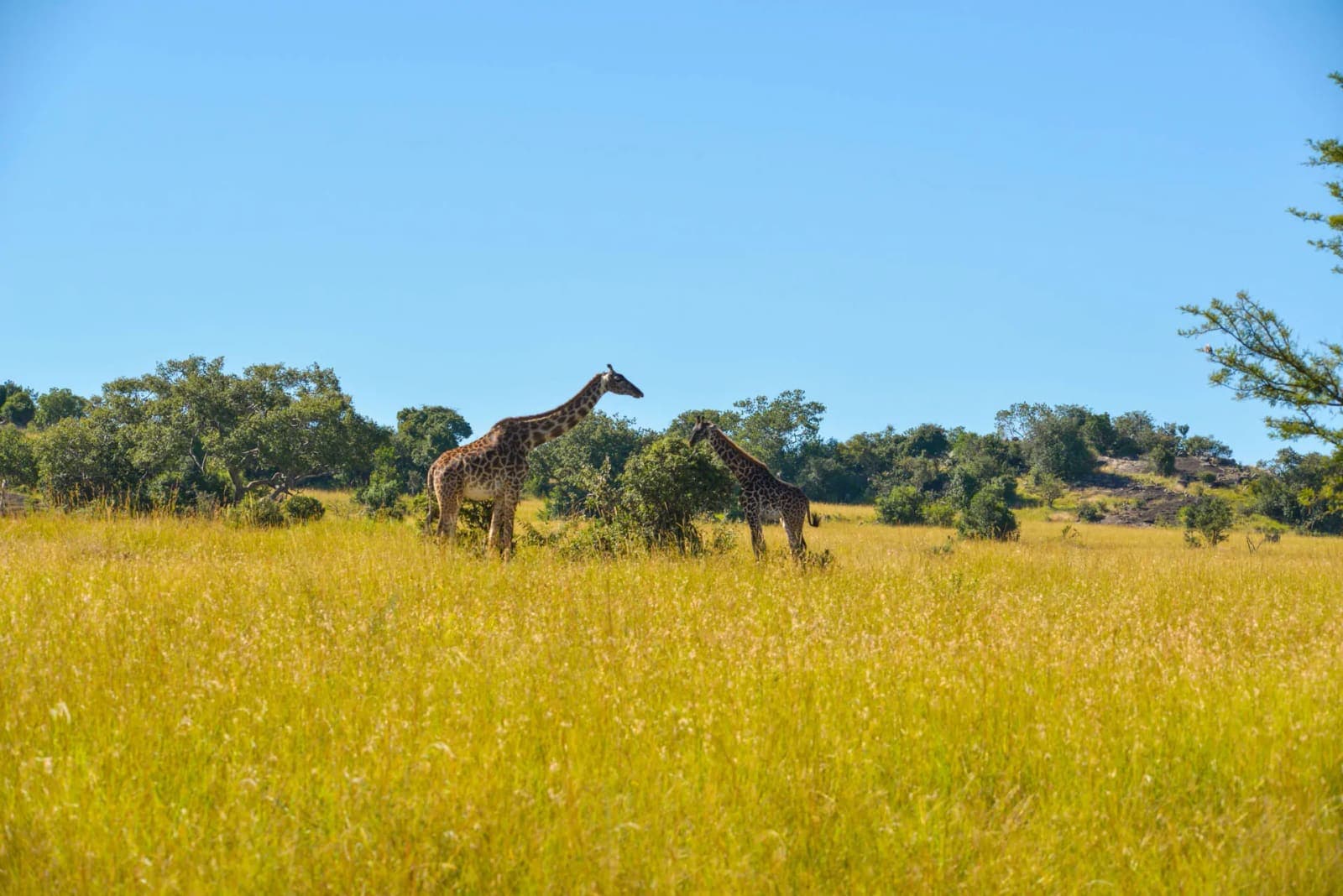
In addition to elephants, Tarangire is home to a diverse range of wildlife, including lions, leopards, cheetahs, buffalo, giraffes, zebras, wildebeest, and warthogs . The park is particularly famous for its rare antelope species , such as the fringe-eared oryx and greater kudu , which are difficult to spot in other national parks.
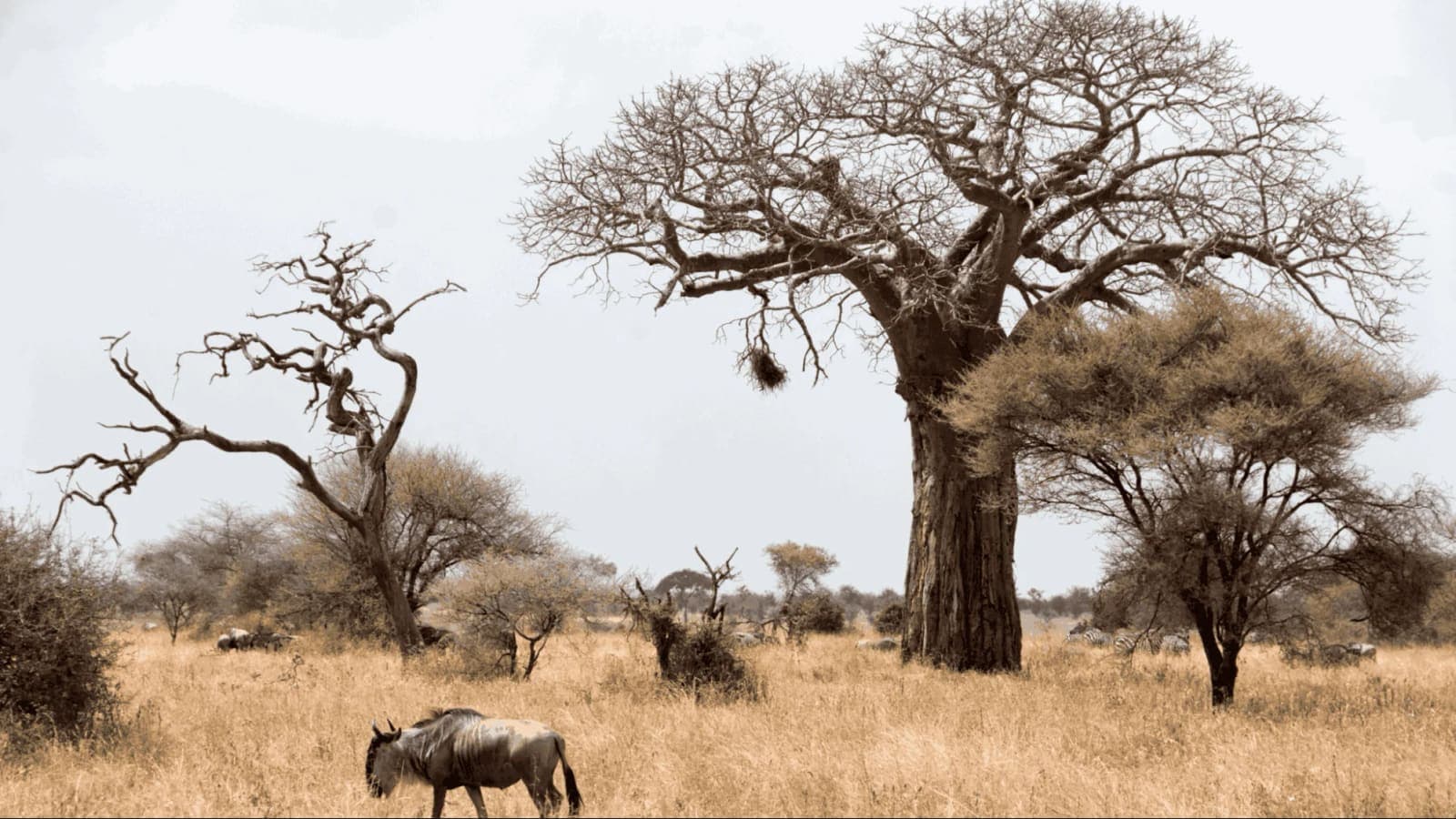
Beyond its wildlife, Tarangire’s landscape is breathtakingly beautiful . Unlike the open plains of the Serengeti, Tarangire features rolling hills, riverine woodlands, acacia trees, and vast swamps , creating a dramatic and picturesque backdrop for game viewing. The presence of majestic baobab trees , some of which are over 1,000 years old , adds to the park’s unique charm, making it a paradise for photographers and nature lovers.
Unlike some of Tanzania’s more famous parks, Tarangire remains less crowded , offering a more peaceful and exclusive safari experience . Here, visitors can truly connect with nature and enjoy wildlife sightings without the disturbance of too many safari vehicles.
Best Time to Visit Tarangire National Park
Tarangire is a year-round safari destination , but the best time to visit depends on what you wish to experience.
Dry Season (June – October): Best for Wildlife Viewing
During the dry season , water sources become scarce, and animals congregate around the Tarangire River , making it the best time for game viewing . Massive herds of elephants, wildebeest, zebras, and buffaloes can be seen moving towards the river, followed closely by predators such as lions and leopards . This period also offers clear skies and pleasant temperatures , making it the most popular time for safaris.
Wet Season (November – May): Best for Birdwatching and Lush Scenery
The wet season transforms the park into a lush green paradise, with